
In the world of Italian comfort food, few dishes command as much respect as Osso Buco. The traditional Milanese version uses veal. However, many chefs now embrace pork osso buco as a flavorful and accessible alternative. It perfectly captures the heart of rustic Italian cooking.
At SeriousEatsMenu, we believe mastering this slow-cooked masterpiece is a rite of passage. It’s the perfect way to elevate your weekend dinner game. Osso Buco literally translates to “bone with a hole.” This name describes how the marrow melts into a velvety sauce to coat the meat. In this guide, we will break down the techniques for fork-tender perfection. Soon, your kitchen will fill with the irresistible aroma of simmering wine, herbs, and aromatics.
Understanding the Cut: Why Pork Shank is the Perfect Choice
To create a world-class pork osso buco, you must start with the right cut of meat. In the United States, you can find these at most local butcher shops, often labeled as “pork shanks” or “hindshanks.” The presence of the bone is non-negotiable, as it provides structural integrity during the long cooking process and releases essential minerals and gelatin into the braising liquid. For more tips on selecting the best cuts for your family meals, explore our curated list of easy recipes designed for the modern home kitchen. Choosing high-quality, bone-in pork ensures that your sauce attains that signature “lip-smacking” quality that defines authentic Italian braises.
The Art of the Sear and Building a Deep Flavor Base
The secret to a complex sauce lies in the initial sear. Season the shanks generously and brown them in a heavy-bottomed Dutch oven before they ever touch the liquid. The Maillard reaction creates a crust of concentrated flavor. This crust later dissolves into the braising liquid, giving it a deep, amber hue. After removing the meat, use the same pan to sauté the “holy trinity” of Italian aromatics: carrots, celery, and onions.
For a professional touch, add a tablespoon of tomato paste. Brown it slightly to remove any raw acidity. If you enjoy experimenting with different spice profiles, check out our guide on making a custom Greek seasoning. It’s a great way to add Mediterranean flair to your other weeknight proteins.
Mastering the Braise – Techniques for Fork-Tender Results
Once your aromatics are softened and your meat is seared, the deglazing process begins. Using a dry white wine (like Pinot Grigio) or a robust red wine is traditional; it scrapes up the “fond” or browned bits from the bottom of the pan. Next, nestle the shanks back into the pot with high-quality chicken or veal stock, along with fresh thyme, rosemary, and bay leaves. The most critical element here is temperature control. Whether you are using a slow cooker or a conventional oven set to 300°F, the liquid should never reach a rolling boil. A gentle simmer is required to break down the collagen without drying out the muscle fibers. This patient approach to healthy food preparation ensures that the meat remains juicy and flavorful, providing a nutrient-dense meal that feels indulgent yet wholesome.
Serving Suggestions and the Importance of Gremolata
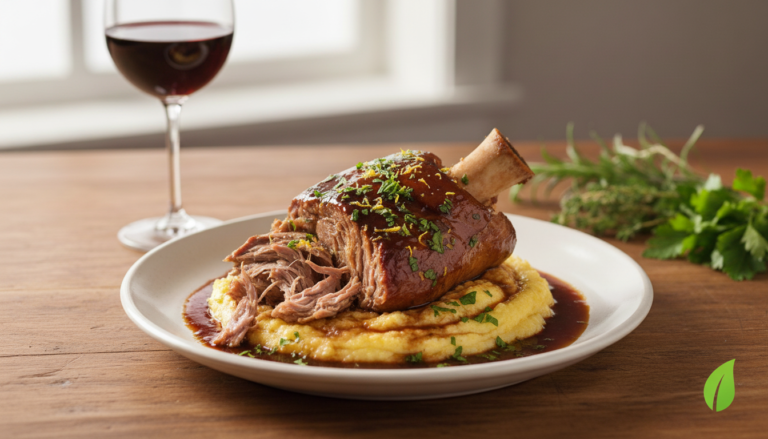
An authentic pork osso buco is rarely served alone. To cut through the richness of the pork and the concentrated sauce, a traditional Milanese Gremolata—a bright topping of parsley, lemon zest, and minced garlic—is essential. This “zing” of freshness balances the deep, savory notes of the braise. For the base, most American families prefer serving the shanks over a bed of creamy polenta, mashed potatoes, or a traditional Risotto alla Milanese (saffron risotto). If you are looking for a lighter, more modern pairing, consider serving the meat alongside a grilled cauliflower steak or a simple vegetable medley to keep the meal balanced. The contrast between the soft, braised meat and a bright, citrusy garnish is what transforms this from a simple stew into a gourmet experience.
Essential Kitchen Tips for Food Safety and Storage
When preparing a large, slow-cooked meal like Osso Buco, understanding food safety is paramount for the American home cook. Because this dish improves with age, many chefs prefer to make it a day in advance, allowing the flavors to meld in the refrigerator overnight. However, you must be mindful of storage times. Much like the common question, “how long can steak stay in the fridge?”, your cooked pork shanks should be consumed within three to four days. If you find yourself with leftover sauce but no meat, don’t let it go to waste. The braising liquid is a goldmine of flavor and can be used as a base for a rich pasta sauce or even a hearty vegetable soup the following day. For more technical advice on managing your pantry and leftovers, check out our kitchen tips & guides.
Completing the Menu – From Appetizers to Desserts
To host a truly memorable Italian-inspired dinner party, your pork osso buco should be the star of a well-rounded menu. Start your guests off with a vibrant platter of street food recipes inspired by global flavors, or a simple bruschetta. After the main course, a palate cleanser is necessary before moving on to the final act. We recommend exploring our best dessert recipes to find the perfect sweet conclusion, such as a light lemon sorbet or a decadent slice of cheesecake. At SeriousEatsMenu, we believe that a great meal is a narrative that starts with the first appetizer and ends with a satisfied sigh after the last bite of dessert. By following these steps, you are not just cooking dinner; you are creating an edible legacy for your friends and family.
People Also Ask (FAQs)
1. Can I use red wine instead of white wine for Pork Osso Buco?
Yes. While white wine is the traditional Milanese choice, red wine provides a deeper, more robust flavor and a darker sauce, which many people in the USA prefer for pork dishes.
2. What is the difference between Veal and Pork Osso Buco?
Veal is the traditional, more expensive choice with a very delicate flavor. Pork shanks are more affordable, slightly heartier, and have a richer fat content that makes the meat incredibly succulent when braised.
3. How do I know when the Pork Osso Buco is finished cooking?
The meat should be “fall-off-the-bone” tender. You can test this by pressing a fork against the meat; it should slide apart with almost no resistance. This usually takes 2.5 to 3 hours in the oven.
4. What can I use as a substitute for pork shanks?
If shanks are unavailable, you can use thick-cut pork shoulder (Boston Butt) cut into large chunks. While you lose the marrow from the bone, the meat has a similar fat-to-muscle ratio that braises well.
5. How should I store and reheat leftovers?
Store in an airtight container for up to 4 days. To reheat, place the shanks and sauce in a pan over low heat with a splash of water or stock to prevent the sauce from becoming too thick or salty.