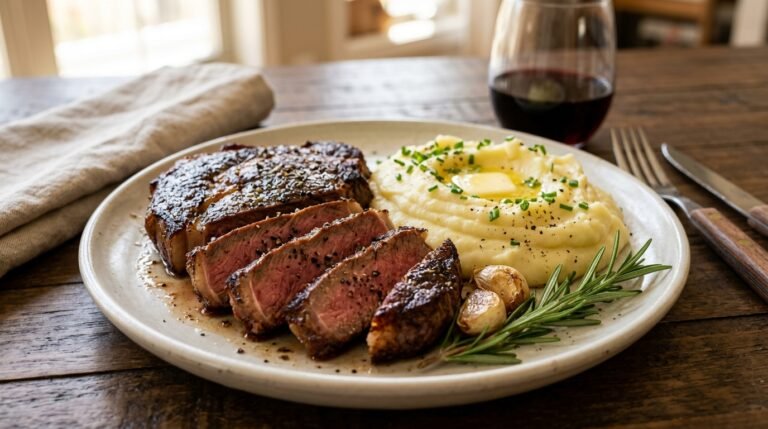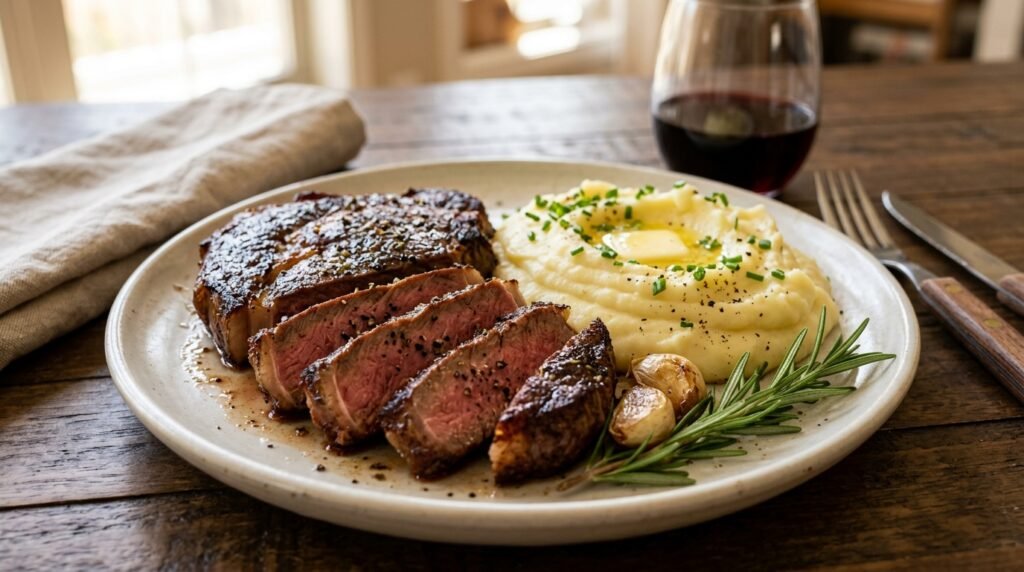

There is something truly magical about the classic combination of steak and mashed potatoes. It stands as the undisputed king of comfort food, bringing together rich, savory, melt-in-your-mouth protein with smooth, buttery, and comforting carbohydrates. Whenever people want to celebrate a special occasion, mark a milestone, or simply treat themselves to a luxurious weekend dinner, this iconic duo is almost always the top choice. The contrast between a deeply caramelized, crusty steak and a velvety bed of hot potatoes creates a dining experience that satisfies every single taste bud.
Many people believe that achieving this level of culinary perfection is only possible inside an expensive, high-end steakhouse. They assume that home kitchens lack the heat, the tools, or the professional secrets required to create that perfect sear and that ultra-smooth potato texture. However, mastering this meal at home is entirely possible when you understand the basic science of cooking meat and starches. By learning a few simple techniques regarding temperature control, meat resting, and potato mashing, you can easily replicate a five-star restaurant experience in your own kitchen. This detailed guide will give you the exact roadmap to make the ultimate dinner completely from scratch.
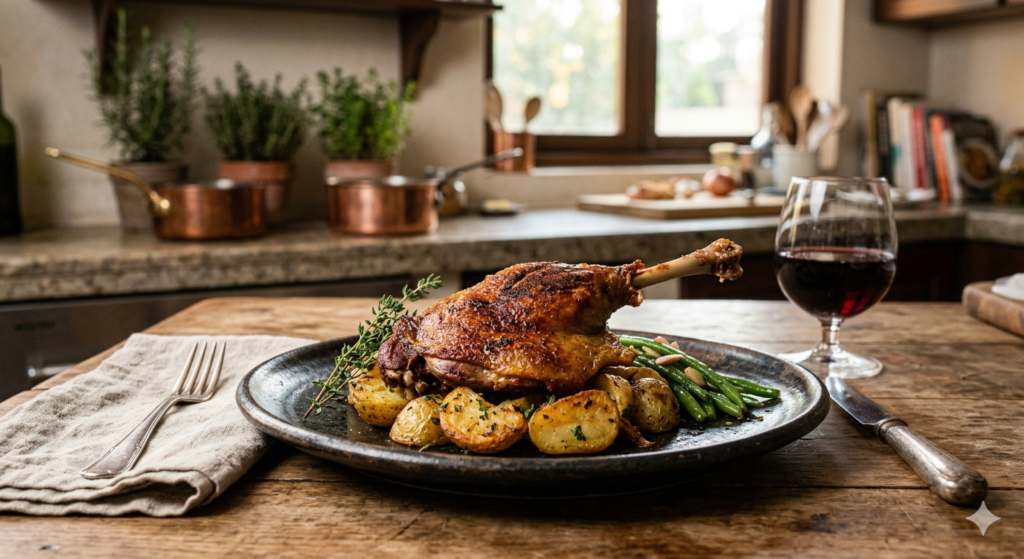
If you love exploring diverse culinary paths, you already know how different cultures celebrate comfort meals. While a premium beef cut is a western staple, you can find equally rich experiences by diving into our Food Tips & Guides section to explore how global flavors elevate simple home cooking. Whether you are looking for quick weeknight dinner fixes like our popular Easy Garlic Butter Chicken Recipe or want to try your hand at advanced French techniques like learning How to Make Classic Duck Confit expanding your recipe collection helps you become a more confident and versatile home cook.
Selecting the Best Cuts of Meat for a Perfect Sear
The foundation of a spectacular steak dinner lies entirely in the cut of meat you choose at the grocery store or local butcher shop. No amount of butter, garlic, or culinary skill can save a tough, lean, poorly selected piece of beef. When you are shopping for a high-quality sear, you generally want to look for three primary cuts: Ribeye, New York Strip, or Filet Mignon. Each of these cuts offers a completely different texture and flavor profile, so your choice should depend on what you enjoy most.
The Ribeye is widely considered the king of flavor because it contains a massive amount of intramuscular fat, commonly known as marbling. As the Ribeye cooks, this beautiful white marbling melts completely into the meat, basting it from the inside out and keeping it incredibly juicy. If you prefer a leaner option that still offers excellent beefy flavor and a great chew, the New York Strip is a fantastic middle ground. For those who prioritize ultimate tenderness above everything else, the Filet Mignon is the softest muscle on the animal, though it contains very little fat and requires heavy basting with butter and herbs to prevent it from drying out. Regardless of the cut you choose, you should always look for a steak that is at least one and a half to two inches thick, as thin steaks will overcook in the center before you can form a beautiful brown crust on the outside.
Understanding how fat transforms meat during the cooking process is a major part of mastering protein. For instance, when dealing with tougher, highly structural cuts of meat, long and slow braising methods are required to break down connective tissue, which is exactly what makes a traditional Cooked Pork Osso Buco so incredibly tender and rich. On the other hand, quick pan-searing relies on high, direct heat to create a rapid crust. Balancing these heavy, decadent meat dishes with lighter elements is also essential for everyday living, which is why incorporating choices from a Healthy Food lifestyle can keep your diet balanced without ever sacrificing the deep satisfaction of a great home-cooked meal.
The Golden Rules of Making Ultra Creamy Potatoes
A perfect steak deserves an equally perfect sidekick, and a pile of lumpy, dry, or gluey potatoes can instantly ruin an otherwise excellent dinner. Creating the ultimate mashed potatoes requires adhering to a few strict kitchen laws regarding potato varieties and structural starches. First and foremost, you must choose the right type of potato. You should always opt for high-starch varieties like Russets or medium-starch options like Yukon Golds. Yukon Golds are particularly wonderful because they possess a naturally buttery flavor and a beautiful golden color, while Russets yield an incredibly fluffy texture. You should completely avoid waxy potatoes like red-skinned or new potatoes, as they do not absorb dairy well and easily become gummy when mashed.
The process begins by peeling your potatoes and cutting them into uniform cubes so they cook at exactly the same rate. Place them into a large pot and cover them with cold water instead of hot water. Starting them in cold water ensures that the potatoes heat up evenly from the outside to the core, preventing the exterior from disintegrating before the center is cooked through. You must also season the water generously with salt right at the start, as this is your only opportunity to flavor the inside of the potato starches. Once the water reaches a boil, reduce the heat to a gentle simmer and cook for roughly fifteen to twenty minutes until a fork slides effortlessly into the center of the cubes.
After draining the water, let the potatoes sit in the hot colander for two full minutes to allow all the excess surface steam to evaporate. This step is crucial because excess water will make your mash runny and bland. When it comes to mashing, never use a food processor or a high-speed blender, as the fast blade rotation breaks the potato cells and releases pure starch, turning your beautiful side dish into a sticky, gluey paste. Instead, use a manual potato ricer or a heavy-duty hand masher. Warm your heavy cream and melt your butter before adding them to the hot potatoes. Adding cold dairy straight from the refrigerator shocks the starches and prevents them from blending smoothly, whereas warm cream creates a velvety, luxurious texture that holds its heat beautifully on the plate.
Mastering the Steakhouse Pan Searing and Basting Technique
Once your potatoes are mashed and resting safely with the lid on, it is time to turn your attention to the main event. Pan-searing a thick steak requires high confidence and a screaming-hot pan. The goal is to trigger the Maillard reaction, a scientific process where amino acids and sugars react under intense heat to create a deep, brown, flavorful crust while keeping the inside of the meat perfectly tender and pink. To achieve this, a heavy cast-iron skillet is your absolute best tool because it retains and distributes heat far better than thin stainless steel or non-stick pans.
Start by patting your steaks completely dry with paper towels on all sides. Any residual moisture on the surface of the meat will create steam when it hits the pan, preventing a proper crust from forming. Season the steaks heavily with coarse kosher salt and freshly cracked black pepper. Place your skillet over high heat until you see faint wisps of smoke rising from the surface. Add one to two tablespoons of a high smoke-point oil, such as avocado or canola oil. Avoid using olive oil or butter at this stage, as they will burn instantly and leave a bitter taste on your food. Carefully lay the seasoned steaks into the hot oil, laying them away from you so oil does not splash.
Let the steaks sear undisturbed for two to three minutes until a dark, mahogany crust forms, then flip them over. Immediately reduce the heat to medium and introduce the secret weapon of all great steakhouses: butter basting. Drop three tablespoons of unsalted butter, four smashed cloves of fresh garlic, and a few sprigs of fresh rosemary or thyme into the skillet. As the butter melts and foams up, tilt the pan slightly toward you and use a large spoon to continuously scoop the hot, herb-infused garlic butter over the top of the steaks. This technique cooks the meat more evenly, infuses it with aromatic flavors, and keeps the exterior incredibly juicy. Use a digital meat thermometer to check the core temperature, pulling the meat off at 130°F for a perfect medium-rare. Place the steaks on a warm board, pour the pan juices over them, and let them rest for at least seven minutes so the juices can redistribute through the muscle fibers instead of spilling onto your plate.
Flavor Variations and Creative Side Dishes to Try
While the classic pairing of standard beef and traditional buttered potatoes is completely flawless on its own, this versatile template opens up a world of creative variations. You can easily modify both elements of the dish to suit different seasons, cultural themes, or personal cravings. For example, you can give your mashed potatoes a massive upgrade by folding in roasted garlic paste, freshly grated parmesan cheese, or a swirl of white truffle oil for an ultra-luxurious aromatic touch. If you prefer a more rustic texture, you can leave the skins on Yukon Gold potatoes and mash them roughly with sour cream and chopped chives.
The steak itself can also be paired with a variety of quick, high-heat pan sauces. Instead of washing your skillet after removing the meat, you can capitalize on all the deeply caramelized bits stuck to the bottom of the pan. Pour off the excess grease, turn the heat to medium, and deglaze the skillet with a splash of red wine or rich beef stock. Let the liquid simmer and reduce by half, then whisk in a cold pat of butter to create a glossy, restaurant-style pan sauce that you can drizzle generously over your sliced meat. Adding a bright green vegetable side dish, such as oven-roasted asparagus, charred brussels sprouts, or a crisp wedge salad with blue cheese dressing, introduces an excellent crunch and acidity that cuts right through the rich fat of the dinner.
Exploring these different ways of serving street-level comfort food highlights how simple ingredients can be transformed into celebratory feasts. In many parts of the world, high-flavor grilled meats are enjoyed right on the sidewalk as a beloved form of Street Food, where local vendors use charcoal flames to create incredible smoky crusts. Sampling global Street Food styles can give you wonderful ideas for dry rubs and marinades to try on your home-cooked cutlets. After enjoying a deeply savory, rich dinner like this, it is only natural to crave a sweet finish to round out the palate, which makes exploring light, fruit-forward Desserts food or a rich chocolate treat the ultimate way to conclude a memorable dining experience.
Smart Meal Prep and Reheating Secrets for Busy Home Cooks
If you live a busy lifestyle, you might think that a complete steak and potato dinner is too time-consuming to make on a regular weeknight. However, with a little bit of strategic planning, you can easily turn this classic meal into an efficient option for weekly meal prep. The mashed potatoes can actually be cooked, mashed, and seasoned up to three days in advance. Simply store them in a tightly sealed airtight container in your refrigerator. When you are ready to serve, reheat them gently in a saucepan over low heat, stirring in an extra splash of warm milk or a small pat of butter to restore their original silky, creamy consistency.
Reheating a cooked steak without turning it dry, tough, and rubbery requires a very gentle touch. You should completely avoid using a microwave, as it cooks the meat from the inside out and destroys the beautiful pink center. Instead, the best method for reheating leftover steak is the low-oven approach. Place your steak on a wire rack set inside a baking sheet and warm it in an oven set to 250°F for about ten to fifteen minutes until the internal temperature reaches roughly 110°F. Then, flash-sear it in a hot skillet with a tiny bit of butter for thirty seconds per side to crisp up the crust once again. This method preserves the structural integrity of the meat, ensuring your leftovers taste almost as spectacular as they did the very first night.
Frequently Asked Questions
What is the absolute best potato variety to use for mashing?
The best choice is Yukon Gold because it has a naturally high starch content, a beautiful buttery flavor, and a smooth texture that absorbs cream effortlessly. Russet potatoes are also an excellent alternative if you prefer an exceptionally fluffy and light mash.
How long should I let my steak rest after cooking?
You should let your steak rest for at least five to seven minutes before slicing into it. Resting allows the contracted muscle fibers to relax and enables the delicious internal juices to spread evenly back through the meat, keeping it juicy.
Can I use olive oil to pan-sear my steak over high heat?
No, you should avoid extra virgin olive oil because it has a very low smoke point and will burn rapidly, creating bitter flavors and unhealthy smoke. Stick to high smoke-point oils like avocado oil, canola oil, or grapeseed oil for the initial high-heat sear.
How do I know when my potatoes are fully cooked and ready to mash?
Your potatoes are ready when they are completely fork-tender all the way to the center. If a fork slides easily into a cube without any resistance and the potato splits apart gently under light pressure, it is fully cooked and ready to be drained.
What temperature should a medium-rare steak register on a thermometer?
For a perfect medium-rare finish, you should remove the steak from the hot skillet when your digital thermometer reads between 130°F and 135°F. Keep in mind that the internal temperature will continue to rise by a few degrees while the meat rests under foil.